How it works
RoRo: The Right Mode for Wheeled & Self-Propelled Cargo
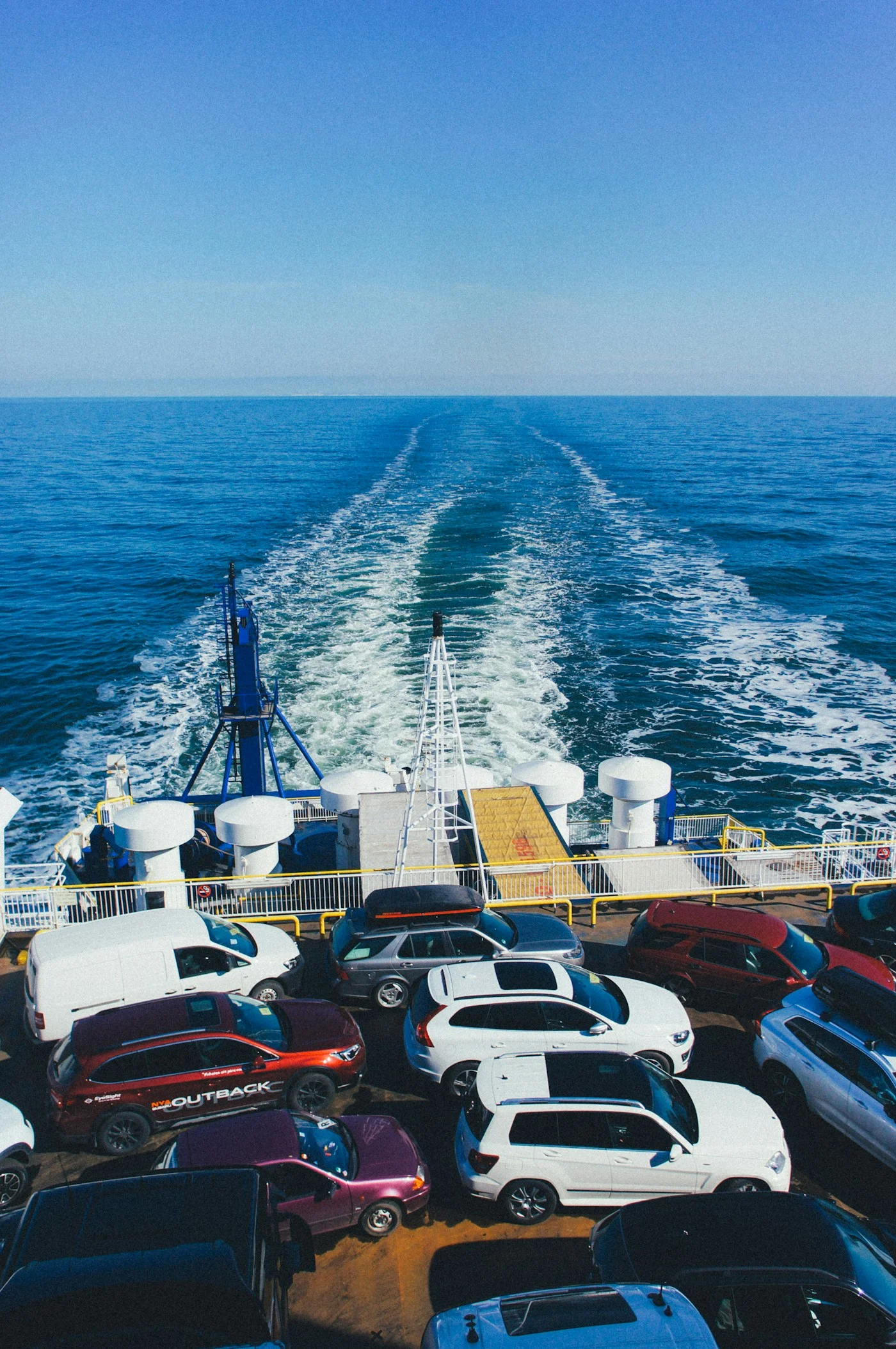
Roll-on/roll-off (RoRo) shipping involves cargo being driven or towed onto a purpose-built vessel via a ramp, secured to the car deck, and transported without containerisation. At the destination port, the vehicle or equipment is driven off the vessel and prepared for delivery.
For wheeled cargo that can be driven or towed, RoRo is typically more economical than containerisation — there is no need to crane-lift, block, and brace the cargo inside a steel box. For larger machinery or vehicles with significant dimensions, RoRo can also accommodate items that would not physically fit inside a standard or even high-cube container.
Seatram Logistics books RoRo space through our established carrier relationships from Italian ports, coordinates the handover at origin, manages biosecurity requirements for vehicles and machinery arriving in Australia, and handles customs clearance through our in-house licensed brokers.

Load ports
Genova · Napoli · Livorno
Discharge
SYD · MEL · BNE · FRE
Transit
~28–35 days
Customs
In-house, LCT assessed
What we ship
RoRo Cargo Types from Italy
Italian passenger vehicles
Private imports and commercial fleet vehicles from Italian manufacturers.
Commercial trucks & buses
Heavy vehicles and coaches from Italian manufacturers including Iveco and BredaMenarinibus.
Agricultural machinery
Tractors, harvesters, and farm equipment from Italian OEMs including New Holland and SAME.
Construction equipment
Wheeled loaders, motor graders, and compact machinery on wheels or rubber tracks.
Industrial machinery on wheels
Fork lifts, reach stackers, yard trucks, and purpose-built wheeled equipment.
Caravans & motorhomes
Italian-built motorhomes and caravans — a growing category of high-value RoRo cargo.
Australian compliance
What to Know Before Importing a Vehicle or Machinery via RoRo
Biosecurity inspection
All wheeled vehicles and machinery arriving in Australia must pass a biosecurity inspection. Cargo must be free of soil, seeds, plant material, and pests. We advise on preparation requirements at origin to ensure clearance on arrival.
Luxury Car Tax (LCT)
Vehicles above the LCT threshold (currently ~$69,000–$84,000 depending on fuel type) attract LCT in addition to standard customs duty. Our customs brokers calculate your total landed cost including LCT before the shipment moves.
OACIS compliance (Personal importers)
Vehicles imported for personal use under the Motor Vehicle Standards Act require OACIS (Online Access to Car Import Scheme) approval. We manage the application process on your behalf.
Customs duty
Vehicles attract 5% customs duty under standard tariff arrangements. Our brokers review the correct classification and applicable duty rate before the shipment moves.
Common questions
RoRo Questions
What types of vehicles and equipment are suitable for RoRo shipping?
RoRo is suitable for any cargo that can be driven or towed onto a vessel under its own power or via a low-loader. This includes passenger vehicles, commercial trucks and buses, agricultural machinery (tractors, harvesters), construction equipment, industrial machinery on wheels or rubber tracks, motorhomes, caravans, and yachts on their trailers. If your cargo has wheels and can move onto a ship ramp, RoRo is worth considering as an alternative to containerisation.
Is RoRo shipping cheaper than containerising a vehicle?
For wheeled cargo, RoRo is typically more cost-effective than containerisation — particularly for larger vehicles that would require a flat rack or high-cube container and specialist loading. RoRo eliminates the need to crane-lift, block, and brace the vehicle inside a container, reducing both the freight rate and the handling charges at origin. Seatram Logistics will quote both options where RoRo is viable so you can make an informed comparison.
What biosecurity requirements apply to vehicles and machinery arriving in Australia?
All wheeled vehicles and machinery arriving in Australia must pass a biosecurity inspection. Cargo must be free of soil, seeds, plant material, pests, and contamination — particularly in wheel arches, undercarriages, and engine compartments. We advise on preparation requirements at origin before the vehicle is loaded, to maximise the likelihood of clearance on arrival and avoid re-inspection, fumigation, or treatment costs at the Australian port.
What Luxury Car Tax applies to Italian vehicles and how is it calculated?
Luxury Car Tax (LCT) applies to vehicles above the LCT threshold — currently approximately $69,000 for most vehicles and $84,000 for fuel-efficient vehicles. LCT is charged at 33% of the value above the threshold. For Italian vehicles — Ferraris, Lamborghinis, Maseratis, and other premium marques — LCT is almost always applicable. Our customs brokers calculate the total landed cost including LCT, customs duty, and GST before your vehicle moves, so you have an accurate purchase cost from the start.
Ready when you are
Ready to Move Your Cargo?
Our Sydney-based team handles customs, compliance, and carrier coordination — so you are not managing your forwarder on top of managing your business. Response by the next business day, no obligation.